
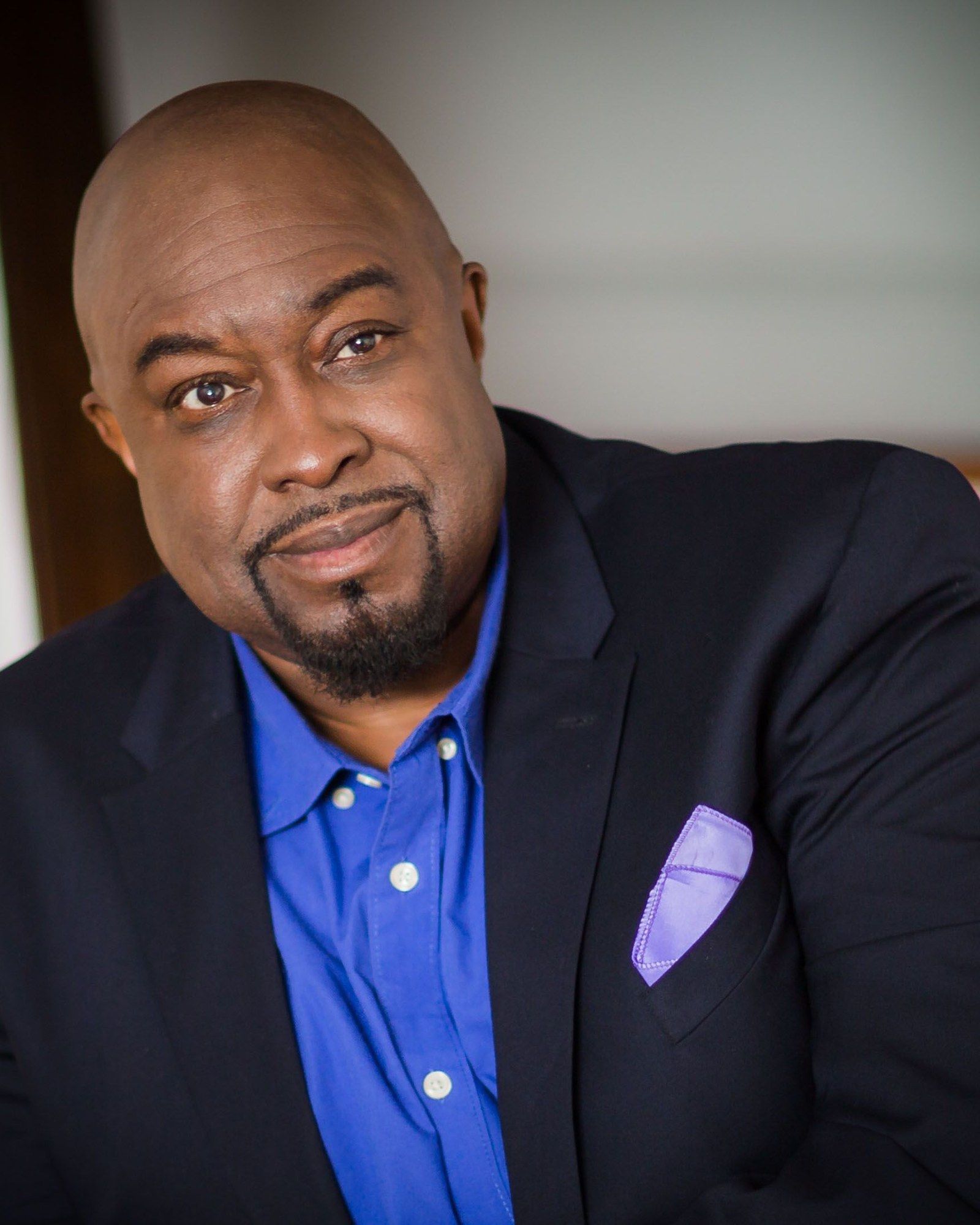
From the founder
Why I founded the Institute
The Sports Psychiatry Institute grew out of a part of my professional life that I did not fully anticipate: how lonely this work could feel.
Over years of working in professional sport, I have often wanted to speak with a colleague who understood the setting before I began explaining the situation. Someone who knew what it meant to build trust with an athlete who worried about being seen using your service, or to make a careful clinical assessment within a schedule that kept moving. I wanted somewhere to turn for practical resources and an honest conversation about the decisions that come with this work. That experience stayed with me and eventually became the reason for founding this Institute.
Sports psychiatry places us close to people whose health and livelihoods are shaped by competition, physical demands, public scrutiny, and decisions they may have little control over. An injury can change an athlete’s daily routine, standing within a team, and sense of who they are. Travel and competition schedules can disrupt sleep for long stretches. Family concerns continue through all of it, sometimes far from the people who would ordinarily provide support. Understanding an athlete means taking the time to understand how these conditions enter that particular person’s life.
The concern that brings someone to us is often only the beginning of the assessment. An athlete referred for depression may also be struggling with disrupted sleep, a medical condition, or a deteriorating relationship with a coach. A complaint of poor concentration may lead us toward medication effects, uncertainty about a roster spot, or something happening at home. Several things may be true at once, and the explanation can change as trust develops and more of the person’s circumstances become known.
Our medical and psychiatric training gives us a foundation for following those possibilities. Working in sport asks us to extend that foundation into areas that can be difficult to learn from a textbook alone. We need to understand circadian biology and recovery, the relationship between mental health and performance, and how a medication may affect alertness, coordination, or an athlete’s experience of training. We also need to know the applicable sport medication rules and when to seek additional expertise. The work continually brings us into contact with questions about identity, relationships, culture, and the organizations in which people live and compete.
Much of our effectiveness depends on how we function within those organizations. We enter a system with established relationships, its own language, and considerable demands on everyone’s time. We are one part of that system, and our contribution depends on earning trust, understanding the work of our colleagues, and making clinical recommendations that people can use. There are also moments when protecting an athlete’s health requires us to hold a boundary or explain why a concern needs more attention than the schedule seems to allow.
Even where mental health is discussed openly, an athlete may remain uncertain about confidentiality or what seeking help could mean for their career. The clinician has to work carefully within that uncertainty. Finding an appropriate place for psychiatric care alongside the other forms of care athletes receive is work that continues through everyday relationships and decisions.
I founded the Sports Psychiatry Institute to support the sports psychiatrists and sports clinicians doing this work, including those who arrive in a role with substantial clinical training and discover how much they still need to learn about the setting.
Its purpose is practical: to make useful resources easier to find and, in time, to create opportunities for colleagues to consult, exchange experience, and think through difficult situations together. It is intended as a practitioner’s resource and community, with a focus on the questions that arise when responsibility is already in your hands. Academic accreditation and professional credentialing fall outside its purpose.
I want the Institute to be a place where a clinician can acknowledge uncertainty without feeling that it diminishes their competence. Experienced practitioners need that space too. The responsibilities grow, the circumstances change, and years in the field do not remove the need for another thoughtful perspective.
My hope is that the Sports Psychiatry Institute will make it easier to find that perspective, and that the support we offer one another will help us care more thoughtfully for the people who depend on us.
Back to the Institute